

Namibia - Windhoek
Namibian youth build greener futures

Afforestation, climate-adapted agriculture, innovative water technologies, green urban development, and culture-preserving greening programs are interlinked, forming a network of resilient practices in Namibia.
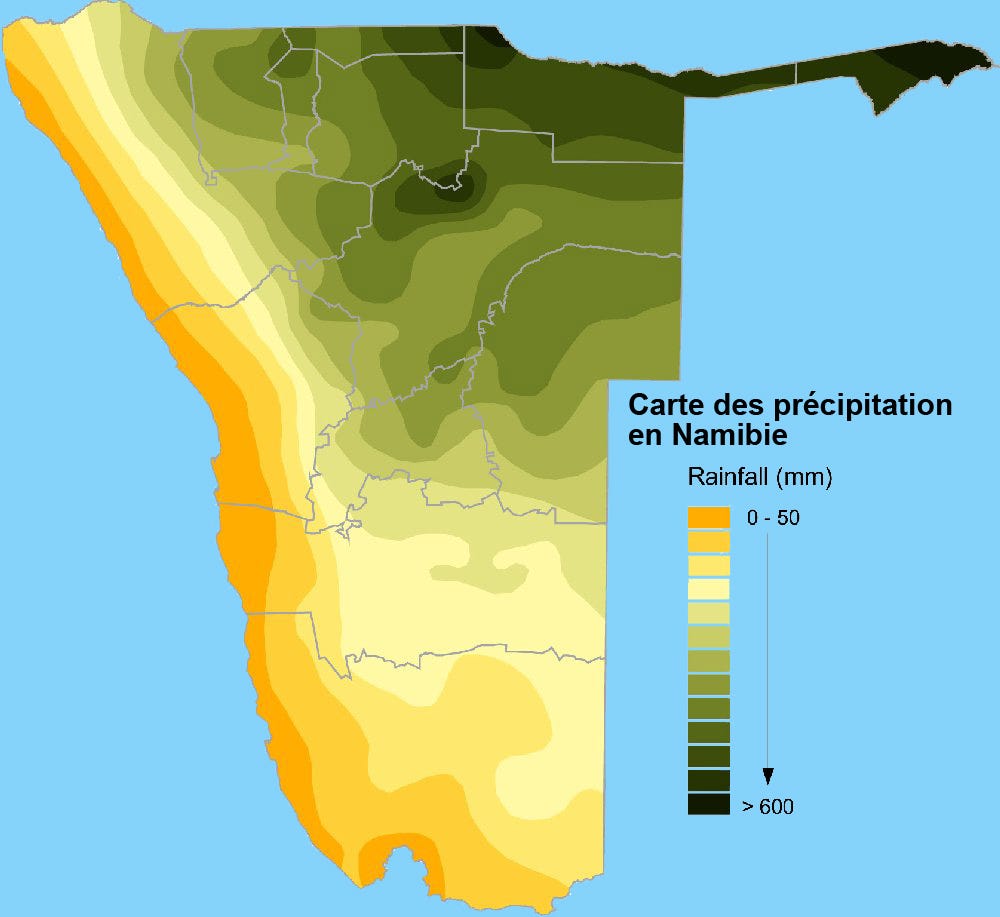
This episodic yet continuous development demonstrates how a semi-arid country utilizes its natural and cultural resources to meet the global challenges of climate change, without displacing cultural conditions, but rather integrating them into contemporary sustainability concepts.
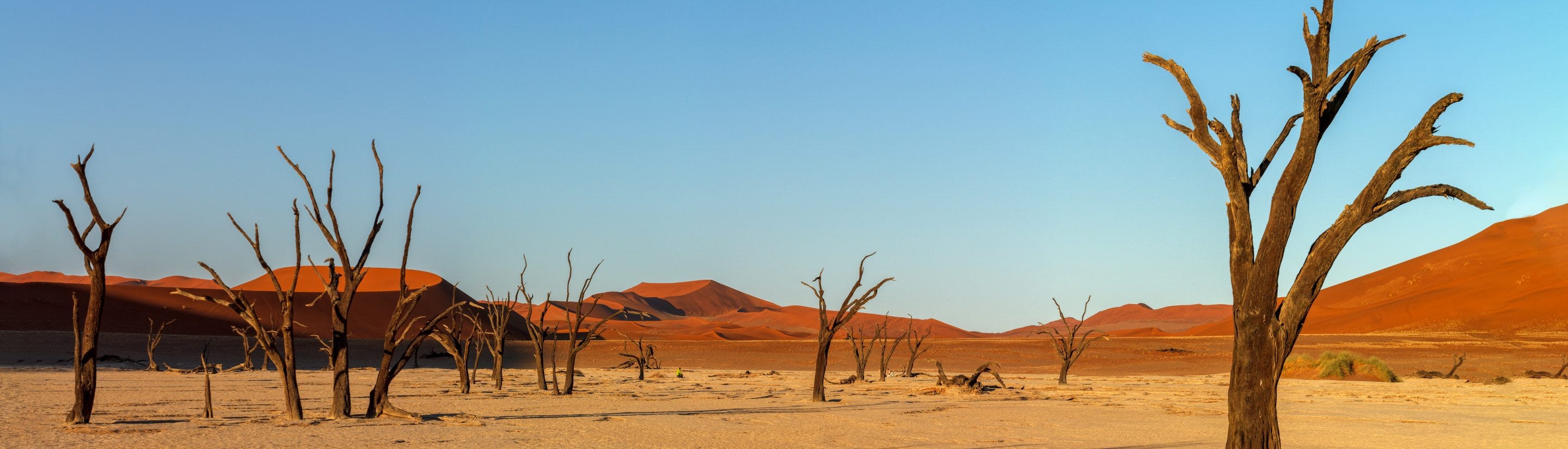
Following the colonial period, Namibia has become a landscape of challenges, where green strategies, agricultural production, water supply, urbanization, and cultural heritage are in dynamic transition.
Their development can be traced through three distinct phases: the immediate post-colonial period (1990–2000), the consolidation phase (2000–2015), and the recent innovation surge (2015–2025).
1. Green Strategies and Afforestation
Immediately after gaining independence in 1990, Namibia faced yield declines due to desertification and soil degradation.
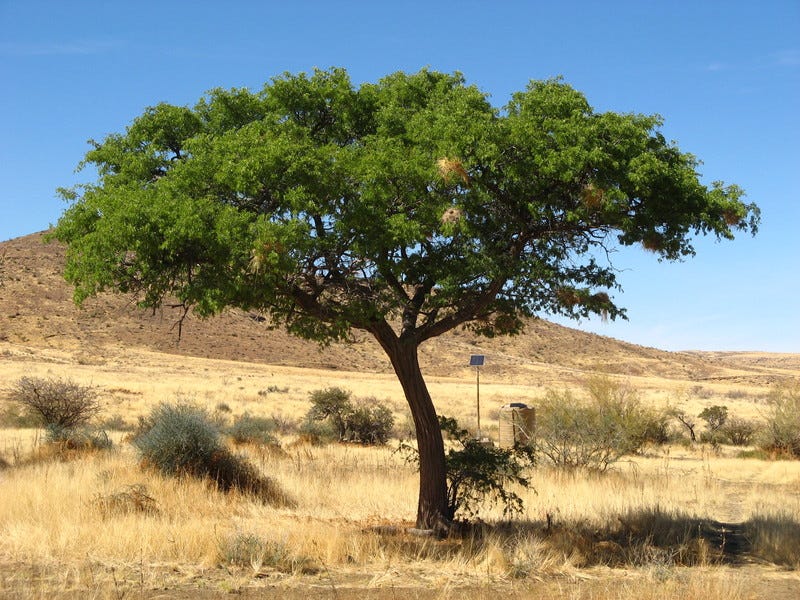
The government launched the National Forest Programme (NFP) to promote afforestation in formerly cultivated areas. Between 1995 and 2005, drought-resistant tree species such as Acacia erioloba were planted on over 5,000 hectares to curb wind erosion and stabilize soil moisture.
Since 2015, the RESA II initiative (Regional Silvo-Pastoral Systems) has complemented these efforts by introducing integrative grazing systems, where livestock and trees coexist and thrive in synergy.
2. Agro-economic Products and Urban Agriculture
Traditional commercial crops (maize, millet, cotton) suffered from increasing drought periods, leading to a shift toward drought-resilient legumes like Vigna unguiculata (cowpea) and Cajanus cajan (pigeon pea).
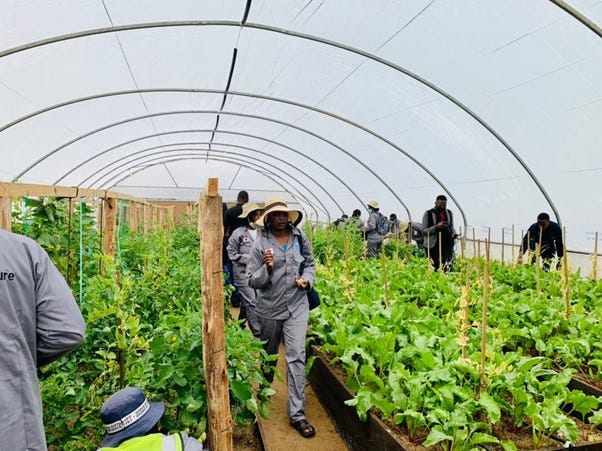
At the same time, the Build Back Better project in urban peripheries, such as in Maltahöhe, Hardap, supports community gardens where young people cultivate vegetables (tomatoes, spinach, pumpkin) and learn compost-based mulching techniques.
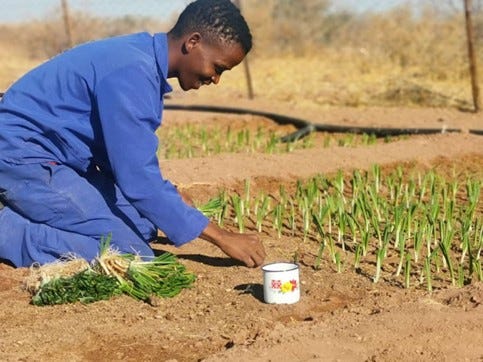
Food produced in these gardens covers up to 60% of the vegetable consumption in participating households, significantly contributing to food security, as impressively demonstrated by Soweriano Fredericks on Farm Daweb (UNDP 2021).
3. Water Supply: From Dams to Decentralized Solutions
The colonial legacy had shaped infrastructure around large dams (Hardap, Naute).
Over the past two decades, Namibia has shifted toward decentralized solar pump wells in rural settlements and direct potable reuse in Windhoek—a globally recognized model launched in 1993, which now supplies up to 15% of the city’s daily water from treated wastewater.
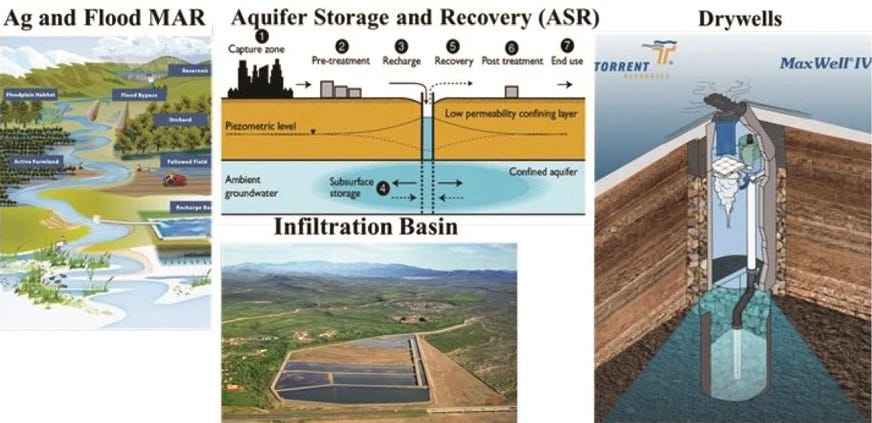
Additionally, Managed Aquifer Recharge (MAR) facilities have been installed in the Khomas region to channel seasonal floodwater into subterranean karst reservoirs—an innovative measure against groundwater overuse and depletion.
4. Urbanity and Resilient Urban Design
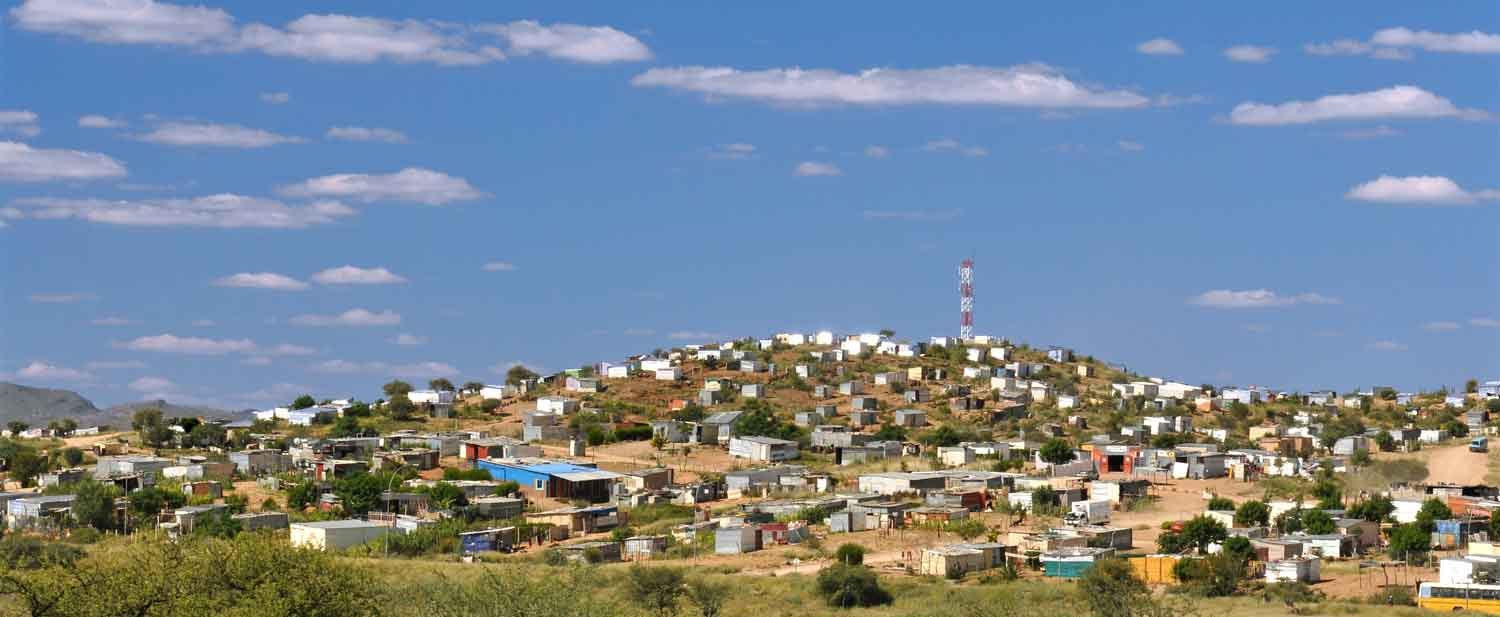
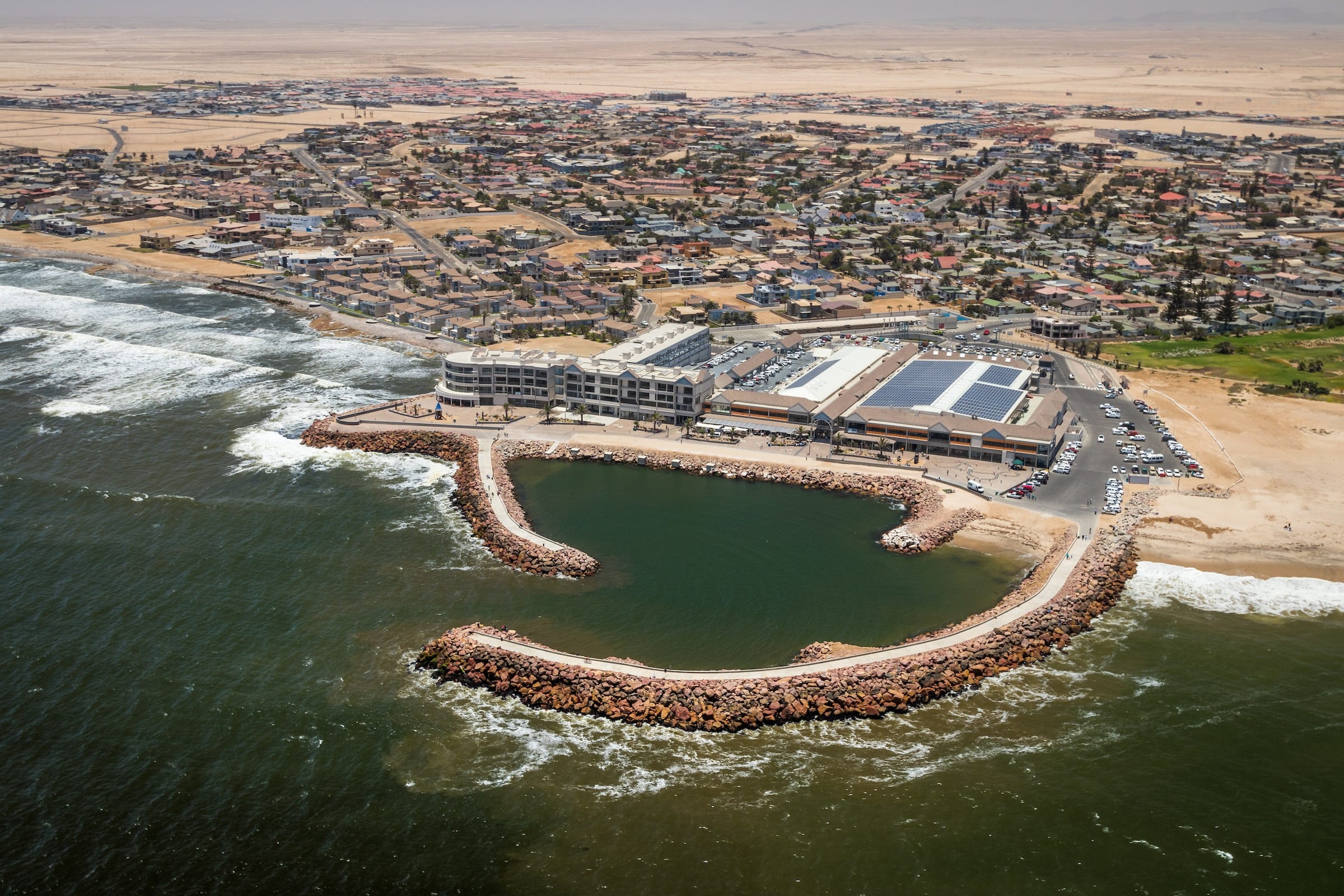
Windhoek and Swakopmund have restructured their inner-city districts. Vacant spaces are being converted with vertical gardens on facades to improve microclimate and air quality.
In Keetmanshoop testet man modulare green roofs, die Regenwasser puffern und Biodiversität im urbanen Raum fördern. Pilotprojekte wie Smart H₂O – Open Source überwachen in Echtzeit die Feuchtigkeit in Grünanlagen und aktiviert bei Bedarf lokale IoT-bewässerte Tropfbewässerung.
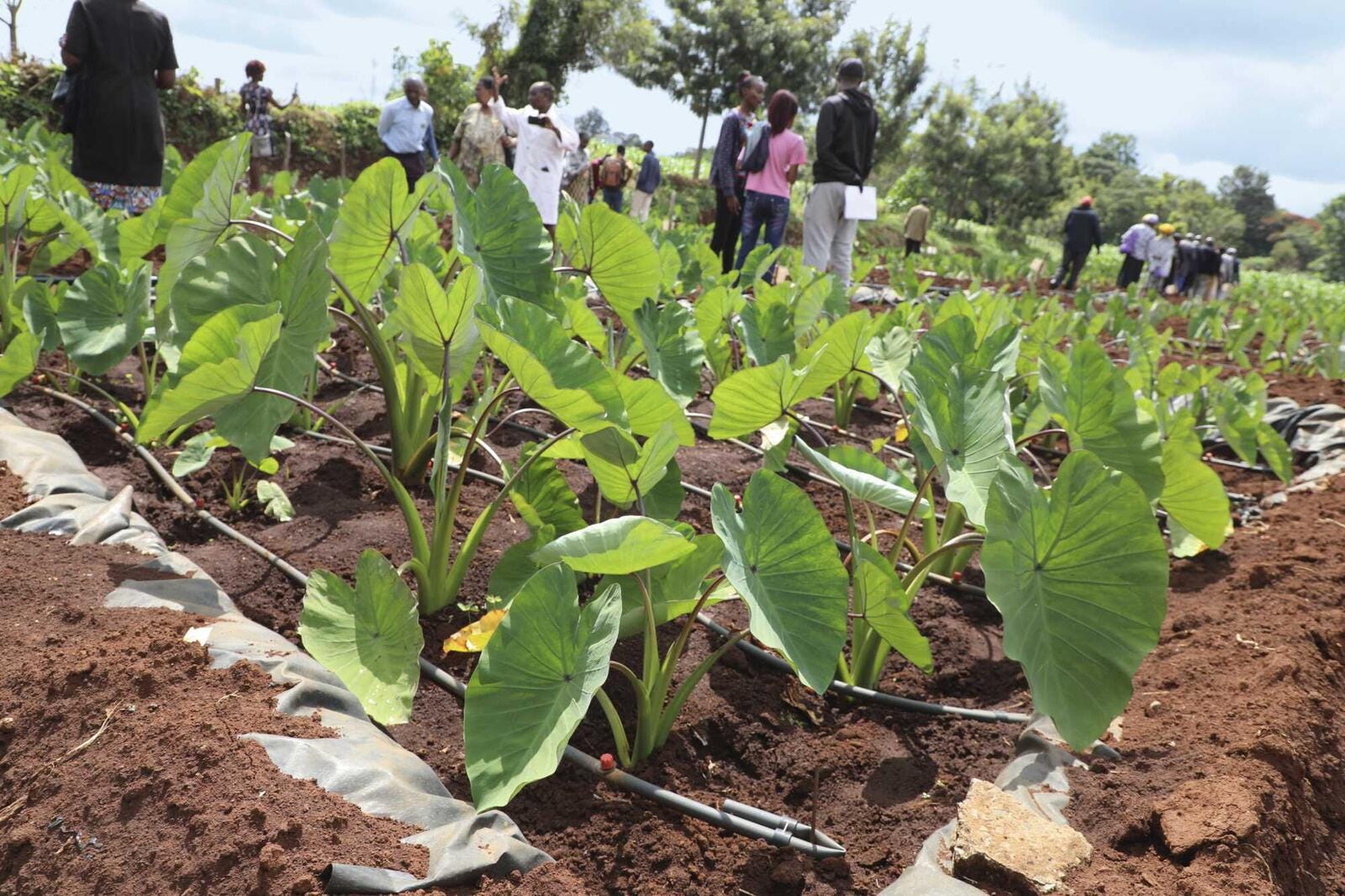
In Keetmanshoop, modular green roofs are being tested to buffer rainwater and promote biodiversity in urban areas. Pilot projects like Smart H₂O – Open Source monitor moisture levels in green spaces in real time and activate local IoT-supported drip irrigation when needed.
These interventions not only increase urban resilience but also help stabilize historic colonial buildings—such as the Old Fort in Swakopmund—through integrated greenery buffers against heavy rainfall.
5. Cultural Assets as Levers for Sustainability
Namibia’s National Museum in Windhoek and colonial buildings in Lüderitz and Swakopmund are increasingly understood as cultural-green spaces.
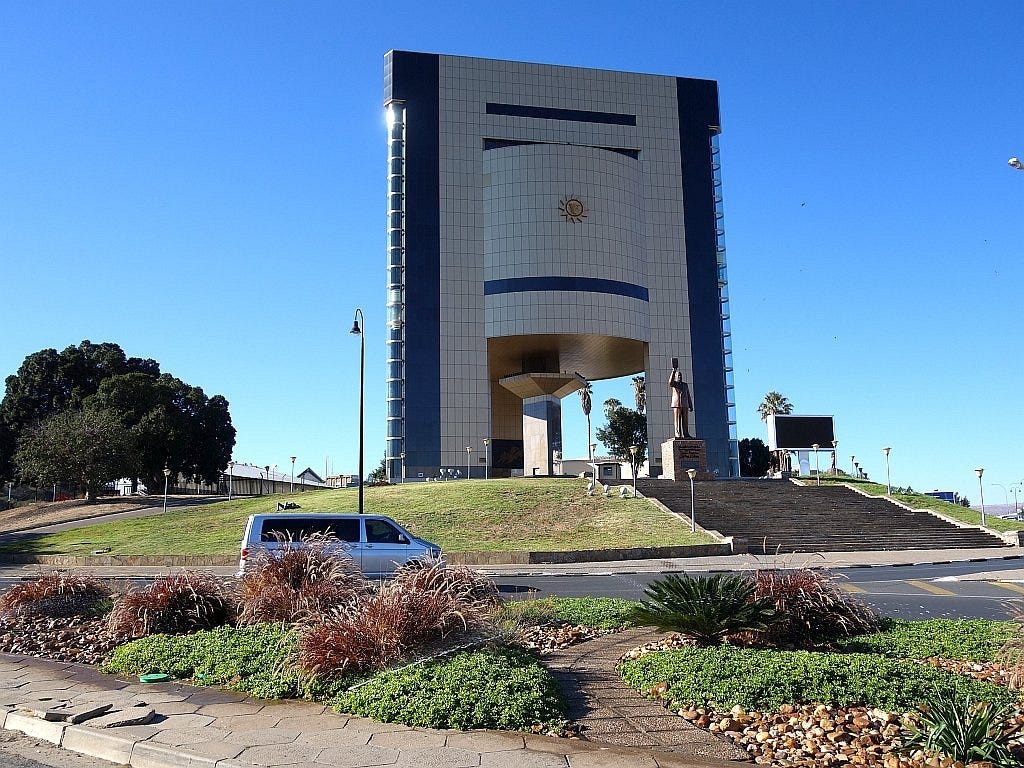
Within the UNESCO initiative “Living Heritage”, restoration is combined with the planting of native grasses and shrubs to regulate moisture fluctuations in masonry structures.
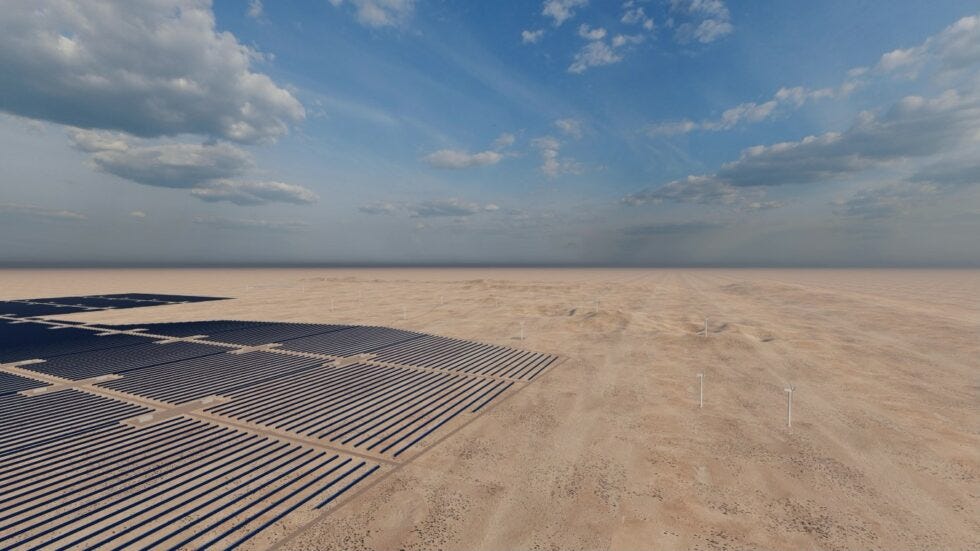
At the same time, the EU has launched solar-powered hydrogen production. Such practices demonstrate that cultural assets are not only preserved but also actively contribute to the globalization of ecological strategies.
KB
Sources
UNDP Namibia (1 Dez 2021): Namibian youth build greener futures in Maltahöhe–Hardap region
https://www.na.undp.org/content/namibia/en/home/stories/namibian-youth-build-greener-futures.htmlGovernment of Namibia & FAO (2005): National Forest Programme
http://www.fao.org/3/x5325e/X5325E.pdfRepublic of Namibia (2019): Managed Aquifer Recharge Pilot Study, Khomas Region
https://www.namwater.com.na/documents/mar_khomas.pdfCity of Windhoek (2023): Water Supply and Reuse Annual Report
https://www.windhoekcc.org.na/media/Water_Reuse_Report_2023.pdfMinistry of Agriculture, Water and Land Reform (2020): Dryland Legume Production in Namibia
https://www.mawlr.gov.na/uploads/publications/Dryland_Legumes_Namibia.pdfUNESCO (2022): Living Heritage in Namibia: Integrating Culture and Ecology
https://ich.unesco.org/en/RL/living-heritage-in-namibia-01234Ovahimba Cultural Centre (2024): Workshop Series on Sustainable Craft Practices
http://www.ovahimbacentre.na/workshops2024.pdf